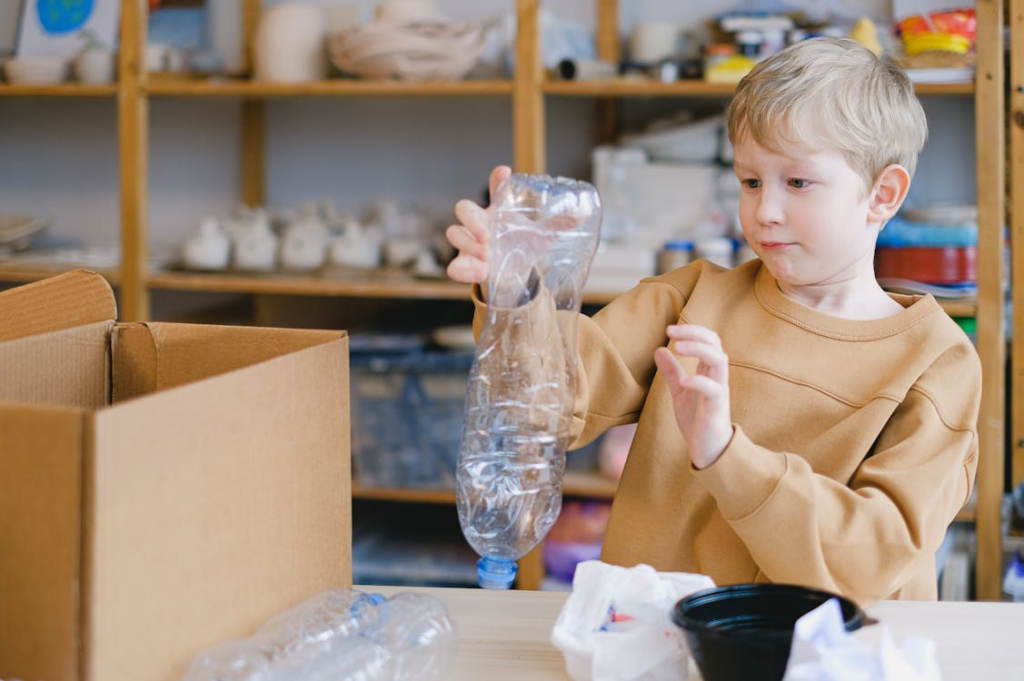
What Is Reusing?
Reusing is the act of using resources, materials, and products multiple times. Reusing is also the second R of waste management, and aims to reduce the amount of waste produced as much as possible (Rogue Disposal and Recycling Inc., 2018; Capital Regional District, 2025). Reusing happens when items that would normally be thrown away are kept and used for a new or improvised purpose. For example, old clothes can be sold or donated instead of put in the trash (Rogue Disposal and Recycling Inc., 2018). Broken items like toys or electronics can be repaired so they can be used again.
How Does Reusing Work?
The more reused an item is, the more useful and the lower its footprint (Living Landscape of Reusable Solutions, 2023). For reusing to be worth it, the impact on the environment should be neutral or positive. Also, when purchasing items, purchasing reusable items or non-toxic packaging also contributes to reusing efforts. Additionally, by reusing clothes and electronics (such as ear buds) effectively, the amount of water, GreenHouse Gas (GHG), and resources used is reduced (Living Landscape of Reusable Solutions, 2023).
Why Is Reusing Important?
Reusing products is important because it strengthens the environment by reducing demand for resources and creates a sustainable lifestyle (John Tarantino, 2020). John Tarantino’s article, “How Reusing Items Can Help The Environment” gives us some reasons why reusing can help the environment. The first one is reducing demand for natural resources by reusing the products created from “environmental resources.” Additionally, reducing demand lessens pollution and decreases the energy used. Moving on, The second reason is that reusing items can help you save money . Instead of using a shirt for one day, you can use it for a lot longer. The money saved from reusing items can be used to donate to environmental charity organizations or environmentally friendly hobbies like seed planting (John Tarantino, 2020).
Exercise
Let’s get creative!
Watch the video below to see how you can make fun, eco-friendly toys using items you already have at home or in the classroom.
Interactive Game
References
Capital Regional District. (2025). Reducing Waste. https://www.crd.ca/environment/reducing-waste
Exploring the three Rs of waste management — Reduce, Reuse, Recycle. (2018). Rogue Disposal and Recycling Inc. https://roguedisposal.com/resources/education/recycling/exploring-the-three-rs-of-waste-management-reduce-reuse-recycle
How Reuse Works. (2023). Living Landscape of Reusable Solutions. https://www.reuselandscape.org/how-reuse-worksheets
John Tarantino. (2020). How Reusing Items Can Help the Environment. The Environmental Blog. https://www.theenvironmentalblog.org/2020/07/how-reusing-items-can-help-the-environment/