What Is Recycling?
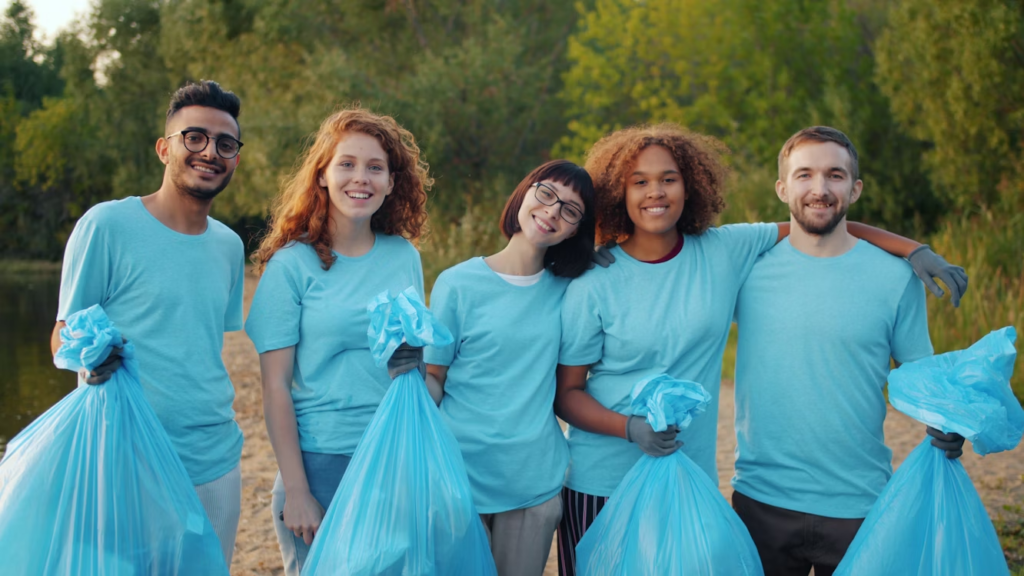
Recycling is when materials are turned into new products and objects rather than being thrown away as trash (United States Environmental Protection Agency [EPA], 2025). We can collect things like paper, bottles, cans, and plastics so that these materials can be used in new ways. For example, old newspapers can be turned into new paper, and plastic bottles can be made into clothing, bags, or even park benches. Through recycling, it helps keep our environment clean and reduces waste and garbage in our landfills. Recycling also saves energy and saves materials that come from nature such as trees, water, and minerals. When we reuse what we already have, we use fewer natural resources and we help keep the planet healthy. It’s an easy way for everyone to help protect the planet.
How Does Recycling Work?
Recycling starts when you put your recyclable materials in the right bin at home or school. For example, you can place empty water bottles, milk jugs, and soda cans in the blue bin. Paper, cardboard, and magazines can also be recycled instead of being thrown away. Additionally, glass jars and clean food containers can go into the recycling bin. Sorting these items correctly helps make sure they can be turned into something new. Then, the things that you put in those recycling bins will be picked up and sent to a recycling center where they’re sorted, cleaned, and prepared (Association of Plastic Recyclers [APR], 2025). Every time you recycle, you help the Earth stay a little greener.
Why Is Recycling Important?
Recycling is important because it helps keep our planet clean and safe which reduces pollution, saves energy, and protects animals by keeping trash away from nature. Recycling also means we don’t have to use as many new materials like trees, oil, and water (Recycle BC, 2023). When we recycle paper, that means there’s fewer trees that need to be cut down. Recycling plastic reduces our need to make new plastic from oil and recycling metal saves large amounts of energy and water. This helps protect natural habitats, and saves resources for the future. Every small action makes a big difference!
Interactive Game
It’s sorting time!
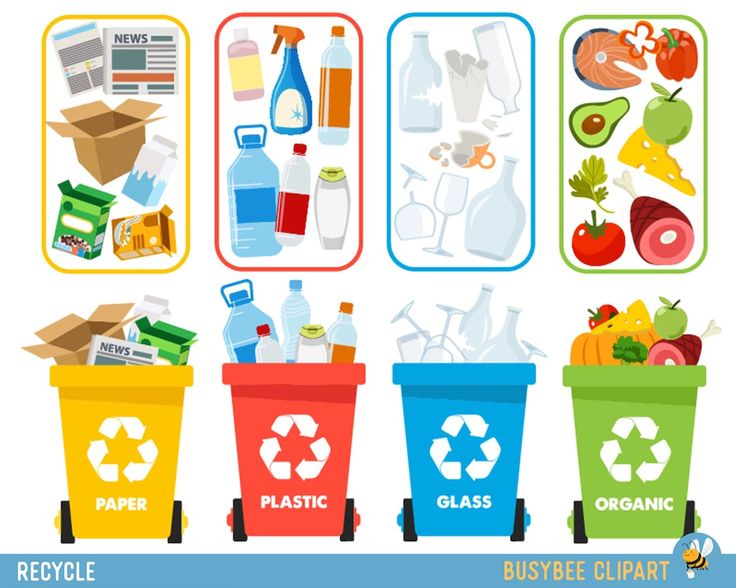
Drag each picture on the right to the bin where it fits best: Paper, Plastic, Glass or Organic.
HINT: Not sure where something goes? Scroll down to check the guide for clues!
Recycling Sorting Guide
Use the picture shown below to help you sort the items into the correct recycling bins.
References
Association of Plastic Recyclers. (2025). See Recycling in Action. PlasticsRecycling.org. https://plasticsrecycling.org/recycling-in-action/
Recycle BC. (2023, August 2). The importance of sorting. https://recyclebc.ca/the-importance-of-sorting/
United States Environmental Protection Agency. (2025, September 2). Recycling Basics and Benefits. https://www.epa.gov/recycle/recycling-basics-and-benefits